
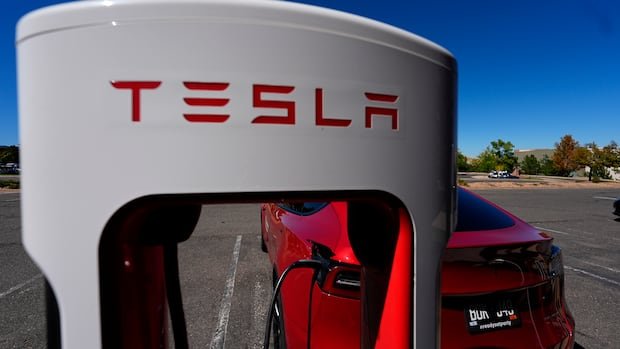

In May, over 2,900 electric passenger vehicles manufactured in China were imported into Canada. This marked the first month of electric vehicle (EV) imports from China following Prime Minister Mark Carney’s agreement to allow tens of thousands of these vehicles into the country at a reduced tariff rate. The specific brands and models of the vehicles arriving were not disclosed, but Carney hinted that a majority of them could be Chinese-made Teslas.
A tariff-quota deal was struck between Ottawa and China, where Canada agreed to permit up to 49,000 Chinese EVs annually at a 6.1% tariff in exchange for Beijing reducing duties on Canadian canola. Additionally, a maximum six-month quota of 24,500 cars was established. These changes, coupled with the reinstatement of federal EV rebates and rising gas prices due to geopolitical tensions, are encouraging more drivers in Canada to consider transitioning to electric vehicles.
Electric Mobility Canada, an advocacy group for EV adoption, foresees the influx of Chinese-made EVs leading to price reductions in the market, citing examples like the Chevy Bolt. This competitive landscape is deemed beneficial for consumers by Daniel Breton, the organization’s president and CEO.
However, concerns have been raised by Canada’s major automakers regarding the impact of these Chinese EV imports on the domestic auto industry and national cybersecurity. Brian Kingston, the president and CEO of the Canadian Vehicle Manufacturers Association, highlighted that China’s trade and investment practices diverge from established principles that have historically supported the success of the Canadian auto sector.
The willingness of Canada to welcome Chinese-made electric vehicles could have transformative effects on the automotive industry, with potential implications for the North American market.