
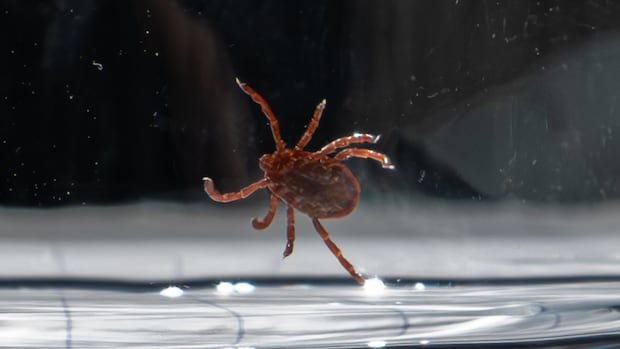

Nicoletta Faraone, an associate professor of chemistry, is embracing the opportunity to lead the Canadian Tick Research and Innovation Centre at Acadia University. This groundbreaking facility will primarily focus on breeding ticks, testing repellents, and studying tick-borne illnesses, serving as Canada’s pioneer in this field.
Faraone emphasized the crucial role of this research center in safeguarding public health, particularly in Nova Scotia, known for having the highest tick population per capita in the country. By breeding ticks in a controlled laboratory setting, researchers can ensure that the specimens are free of diseases.
Currently, the only known tick-rearing facility in North America, located at Oklahoma State University, sells ticks at $5 each. In contrast, the new research center at Acadia is set to open in the upcoming spring, aiming to establish a significant tick population and commence research within a year.
Luís Anholeto, a post-doctoral fellow in the chemistry department, will manage the lab operations. Anholeto highlighted the importance of using local tick strains in research to address Canadian public health needs effectively, including studying blacklegged and dog ticks.
The project faced initial setbacks in securing funding, but a major donation of $755,000 from Peter and Susan Gordon in Ontario has revived hopes for the initiative. Faraone expressed gratitude for the generous support, aiming to expand the team and achieve financial sustainability by selling ticks in the future.
Anholeto, equally enthusiastic about the project, shared his passion for tick research and the pursuit of innovative solutions to combat tick-borne diseases. The team’s dedication and optimism toward advancing tick-related studies underscore the significance of the upcoming research center at Acadia University.