
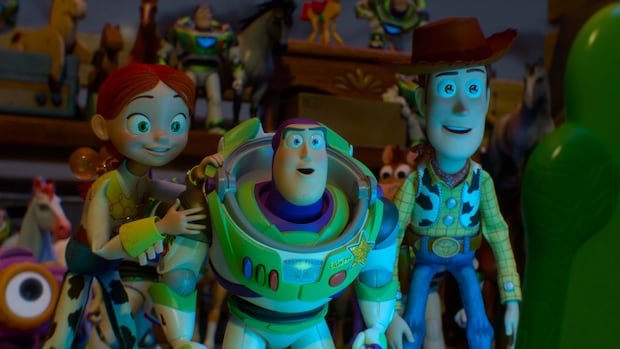

The latest installment in the Toy Story franchise, Toy Story 5, has been receiving positive reviews, marking a strong return for the beloved plush, plastic, and porcelain characters. The film not only delivers a compelling storyline but also addresses contemporary issues, as evidenced by its modern poster featuring the original toys facing off against a tech-savvy tablet.
Despite tackling themes of technology’s influence on childhood, Toy Story 5 manages to strike a balance between entertaining its audience and shedding light on the challenges faced by children growing up in a digital age. The narrative follows Woody, Jessie, and Bonnie as they navigate the complexities of modern play, including the introduction of a tablet that disrupts the toys’ interactions with Bonnie.
The film delves into poignant moments, such as Bonnie’s struggle to connect with her peers and the prevalence of cyberbullying, providing a thought-provoking exploration of the impact of technology on children. Furthermore, Toy Story 5 challenges traditional notions of childhood by depicting a more nuanced portrayal of the central child character, moving beyond a mere figure of worship to a fully realized individual.
However, the movie also raises questions about the representation of childhood in media and the role of adults in shaping these narratives. By examining the idealized version of childhood presented in Toy Story 5, the film prompts viewers to consider the complexities of modern parenting and the nostalgic yearning for a simpler past.
Ultimately, Toy Story 5 serves as a reminder to reflect on how society views childhood and technology, sparking important conversations about the evolving nature of play and the challenges faced by today’s youth.