
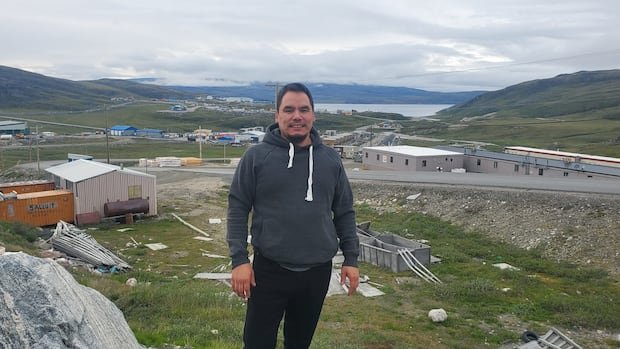

Johnny Saunders achieved his childhood ambition of becoming a police officer a week before turning 19, joining the Nunavik Regional Police. However, his experience did not unfold as expected. Recounting his entry into the force, he received a new uniform and the keys to a truck. Saunders, along with other Inuit officers, underwent recruitment and training in their hometowns in the early 2000s, driven by a desire to make a positive impact.
After two and a half years, at the age of 21, Saunders found himself struggling, taking frequent stress leaves and resorting to heavy drinking to cope. He felt like an outsider in Nunavik, his Inuit community in northern Quebec. The dynamics of his relationships shifted, especially when he had to arrest his cousin for a minor offense, a decision he still regrets.
The lack of support and overwhelming pressure led Saunders to resign, a sentiment shared by others in the force. The decline in local police officers has resulted in a predominance of non-Indigenous officers in Nunavik, leading to a revolving door of inexperienced personnel who struggle to connect with the community effectively.
This situation has fueled a decline in trust within communities and an increase in violent police interventions, with Nunavik officers being involved in a significantly higher number of fatal shootings compared to the provincial average, as reported by the provincial police watchdog.
Recent protests against police brutality in Nunavik have highlighted ongoing concerns about safety, following incidents like the fatal shooting of 26-year-old Joshua Papigatuk. The region’s police force has seen a significant decrease in Inuit representation over the years, with only three Inuit officers out of the 151 currently serving.
Calls for police reform in Nunavik emphasize the need for increased Inuit recruitment and community policing models. Former officers stress the challenges they faced, pointing out the lack of sustainable support for Inuit officers working in their communities. The regional police force acknowledges the recruitment and retention challenges, while efforts are being made to review operations and align policing practices with Inuit culture.
Residents and advocates are urging for police disarmament and the adoption of non-lethal weapons to de-escalate situations effectively. The push for reforms stems from incidents of excessive force and mistrust between the police and the Inuit community, highlighting the urgent need for change in policing practices in Nunavik.