
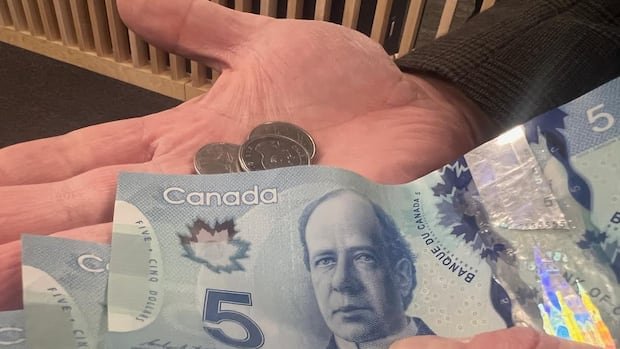

A proposal has been introduced through a private member’s bill to incrementally raise the minimum wage in Alberta by $1 per year over a three-year period. Kathleen Ganley, an NDP MLA representing Calgary-Mountain View, presented Bill 201 in the legislative assembly on Thursday. Ganley highlighted that Alberta currently has the lowest minimum wage in the country, with many residents struggling to cover basic necessities like rent and groceries due to rising expenses and stagnant wages.
Several provinces, including Ontario, Manitoba, Saskatchewan, Nova Scotia, and Prince Edward Island, have recently increased their minimum wage rates. Notably, Alberta has not adjusted its minimum wage since 2018, resulting in it having the lowest rate in Canada at $15 per hour.
Under Bill 201, officially named the Employment Standards (Protecting Workers’ Pay) Amendment Act, the proposed minimum wage hike would start with a $1 per hour increase in December, aiming to reach $18 per hour by October 2027. The bill also suggests linking the minimum wage to the consumer price index (CPI) to ensure that wages keep pace with the cost of living.
Furthermore, the legislation seeks to eliminate the wage disparity for young workers, which currently allows employers to pay individuals under 18 as little as $13 per hour. Additional provisions in the bill address tip protection, ensuring that tips are directly given to workers and preventing non-service staff from skimming tips.
A recent report from Statistics Canada revealed that the unemployment rate among individuals aged 15 to 24 in Alberta stood at 14.7% in the previous month. While some aspects of the bill have garnered support, such as tip protection measures, concerns have been raised regarding the rationale behind the proposed nominal wage increases and the elimination of the youth minimum wage during a period of high youth unemployment.
The Alberta NDP emphasized the importance of re-indexing the minimum wage to inflation, as the current rate does not reflect the cost of living. On the other hand, Minister Joseph Schow of Jobs, Economy, Trade, and Immigration stressed the need for consultations with businesses before implementing any significant minimum wage adjustments.
If approved, the changes outlined in Bill 201 would take effect in December.