
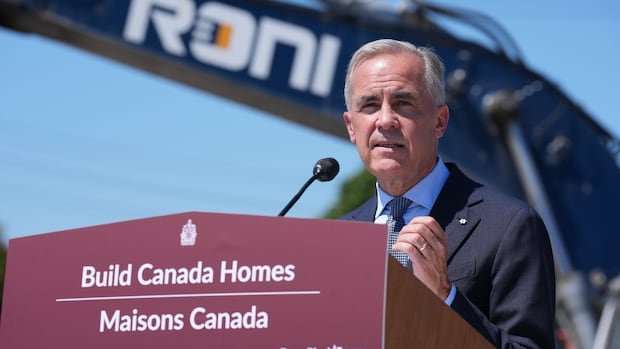

Prime Minister Mark Carney has emphasized that Canadian trade negotiators are concentrating on discussions with their U.S. counterparts concerning various strategic sectors, including automobiles, as the deadline for U.S. President Donald Trump’s upcoming round of tariffs approaches. Carney expressed his wish for addressing all aspects of Section 232 during a housing announcement event in Toronto. Section 232 is the legislation utilized by Trump to impose most of his tariffs on industries such as aluminum, steel, and auto parts, under the premise of national security threats identified by a U.S. Commerce Department investigation.
Canada’s Trade Minister Dominic LeBlanc and chief trade negotiator Janice Charette are currently in Washington for further meetings this week. Carney mentioned his deep involvement in these ongoing discussions. Reports from The Globe and Mail suggested talks between the two nations about steel and aluminum export quotas to reduce U.S. tariffs, but government sources informed CBC News that this does not reflect the current negotiation status due to the sensitive nature of the talks.
During recent meetings, LeBlanc and Charette engaged with key figures like Jay Timmons, CEO of the National Association of Manufacturers, and senators Kevin Cramer and Bill Hagerty. The possibility of another meeting between LeBlanc and U.S. Trade Representative Jamieson Greer remains uncertain. Carney stressed the importance of addressing all strategic sectors and Section 232 concerns during negotiations.
As the August 19 deadline approaches, where the U.S. plans to implement 50% tariffs on a portion of Canadian exports, Carney’s stance is to toughen Canada’s response to potential tariffs as a national emergency. Discussions between Carney and Trump have intensified, leading to broader U.S. engagement in the latest talks. Carney hasn’t dismissed the option of retaliation if additional tariffs are imposed, but expressed reservations about using Canadian energy exports as a bargaining tool in negotiations.
Canada has already made efforts to address trade issues raised by the U.S., such as rescinding a planned digital services tax and withdrawing a Canadian content levy on streaming services. Despite these actions, U.S. Trade Representative Greer highlighted that these steps did not significantly affect the U.S.’s position.