
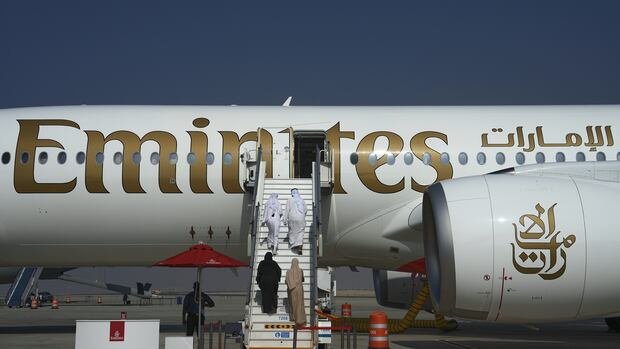

A shift in Canada’s aviation industry is imminent as the Canadian government eases restrictions on flights from Saudi Arabia and the United Arab Emirates, paving the way for increased competition from Middle Eastern airlines. This move is expected to raise the bar for Canadian carriers, with experts highlighting the superior services offered by airlines from the Middle East as a benchmark.
John Gradek, an aviation specialist from McGill University, emphasized that Canadian airlines will need to enhance their services to compete effectively with their Middle Eastern counterparts. The anticipated competition surge is likely to prompt Air Canada, WestJet, and Air Transat to reevaluate their onboard services, amenities, and aircraft configurations to match the standards set by foreign carriers.
Parliamentary committees in Canada have recently scrutinized various issues plaguing the country’s aviation sector, including limited competition, high fares, accessibility concerns, and passenger rights. Notably, airlines like Emirates have gained online recognition for their luxurious first-class offerings, including caviar meals, premium sleeping pods, and in-flight showers.
In the past, diplomatic tensions constrained flight operations between Canada and the Middle East. However, recent developments signal a shift towards greater connectivity, with Prime Minister Mark Carney spearheading efforts to strengthen ties with Middle Eastern nations and diversify trade partnerships beyond the U.S. market.
Transport Minister Steven MacKinnon announced a significant expansion of air transport agreements, allowing for increased passenger and cargo flights between Canada, Saudi Arabia, and the United Arab Emirates. This initiative aims to bolster export markets, foster business relationships, and enhance global connectivity for Canadian carriers.
Gradek noted that Middle Eastern airlines aspire to achieve an open skies agreement with Canada akin to the unrestricted access they have with the United States. The new air transport deal is expected to facilitate smoother travel for Canadian passengers to key hubs like Dubai, enabling seamless connections to global destinations, particularly in the Indian subcontinent.
Conversely, Canadian carriers stand to benefit by attracting more passengers from the Middle East to Canada, serving as a gateway for onward travel to the U.S. market. Gradek predicted that Middle Eastern airlines would gain a larger market share due to their competitive pricing strategies and premium service offerings.
Responding to these developments, Air Canada affirmed its competitiveness on a global scale and highlighted its collaboration with Emirates to optimize flight connectivity and customer rewards. While Air Canada is optimistic about its position in the evolving aviation landscape, other Canadian airlines like WestJet and Air Transat have yet to comment on the implications of the government’s decision to liberalize air transit agreements.
In a bid to enhance Canada’s air connectivity, the government also announced expanded flight operations between Canada and Albania. This initiative underscores the country’s commitment to fostering robust aviation links worldwide.