
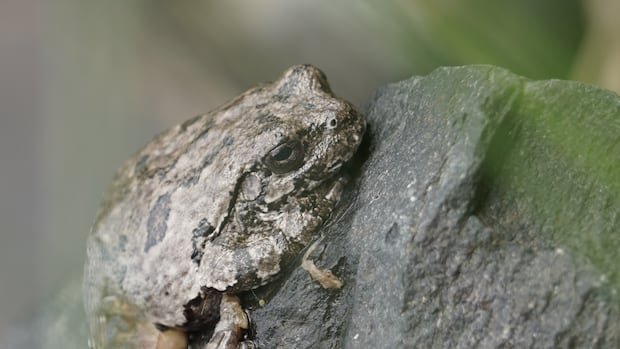

A lethal fungal disease known as chytridiomycosis is causing thickening skin to fall off lethargic frogs and toads in patches, hindering their ability to breathe and eat. This disease, dubbed an “epidermal epidemic,” has led to the extinction of numerous amphibian species globally.
Although chytridiomycosis has not been identified in Manitoba, Canada, it is believed to be prevalent due to its widespread presence across the continent. The fungus responsible for chytrid in frogs is Batrachochytrium dendrobatidis, while in salamanders, it is Batrachochytrium salamandrivorans.
Notably, the latter fungus, believed to have originated in East Asia, has devastated local salamander populations in parts of Europe. While it has not yet crossed to North America, scientists remain vigilant.
Chytrid is directly linked to the extinction of over 90 species and a decline in more than 500 others. Described as the worst infectious disease recorded among vertebrates, it has gained a foothold in the U.S. and Canada in recent years.
Studies in Alberta and British Columbia have shown the presence of chytrid in amphibian populations, with northern leopard frogs being significantly affected. In Manitoba, this species, historically one of 16 amphibians in the region, has faced declines, possibly due to chytrid outbreaks.
Although chytrid has been confirmed in neighboring regions, including Ontario, Saskatchewan, North Dakota, and Minnesota, Manitoba remains chytrid-free officially. However, ongoing research aims to ascertain the presence of the deadly pathogen in Manitoba’s amphibian populations.
Researchers are conducting proactive monitoring programs to detect and potentially mitigate the impact of chytrid on Manitoba’s amphibians. The health of wetlands, critical habitats for amphibians, plays a crucial role in their survival, highlighting the need for conservation efforts.
Efforts to combat chytrid in amphibian populations have shown promising results, offering hope for the preservation of at-risk species. By implementing treatments and monitoring programs, researchers aim to prevent further declines and protect Manitoba’s amphibian diversity.