
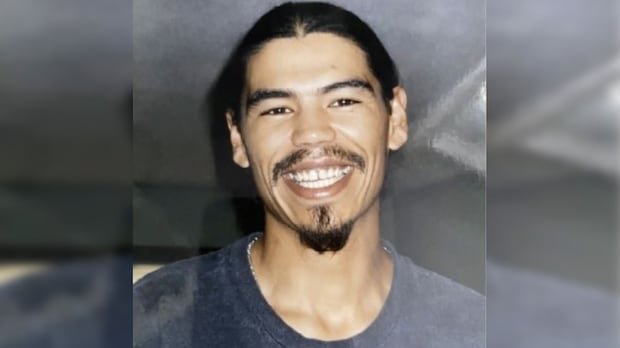

The second day of the coroner’s inquest into the 2021 death of a Wiikwemkoong man at the Sudbury Jail highlighted deficiencies in medical staffing, both at the time of the incident and currently. Justin Alexander Trudeau, a 44-year-old who passed away four days after being detained at the Sudbury jail, was remembered by his partner as someone who deeply valued his family and friends.
The ongoing inquest, which commenced on Monday, has predominantly delved into the operational aspects of the correctional and medical systems within the jail during the COVID-19 pandemic, with a specific focus on whether understaffing played a role in Trudeau’s demise.
Dr. Bineet Moudgil, a physician at the jail in 2021, testified that due to pandemic restrictions, he provided virtual care to inmates instead of in-person consultations. It was revealed during the testimony that Trudeau succumbed to acute staphylococcus aureus pneumonia and septicemia, a condition in which a lung infection spreads to the bloodstream.
Medical documentation from a 1995 arrest, archived in paper format at the jail, indicated Trudeau’s history of asthma, a detail accessible to nurses but not necessarily to physicians. The inquest highlighted that three physicians were on-call from 9 a.m. to 9 p.m., and patients requiring medical attention outside these hours were only seen on the next scheduled clinic day or if transferred to a hospital by ambulance.
Notably, the absence of medical personnel overnight at the jail was emphasized during the testimony. Dr. Moudgil advocated for having a nurse practitioner or physician available round-the-clock to enhance emergency response capabilities, suggesting that digitizing medical records would facilitate better access to a patient’s medical background.
Tammy French, the current health care manager at Sudbury Jail, outlined significant changes implemented since 2021, including the ongoing digitization of medical records and the addition of a mental health nurse. The rise in inmate acuity, marked by complex wounds often linked to drug use and homelessness, has necessitated the presence of wound-care specialists, contributing positively to the inmates’ well-being.
Staff Sgt. Amanda Telfer, who was on duty the night of Trudeau’s passing, provided insights into the segregation unit where he was housed. The lack of operational cameras near the unit and the standard practice of officers documenting inmate behavior were noted. Telfer recommended increased medical staffing during evening hours and improvements like larger windows and better lighting for enhanced inmate monitoring in segregation cells.