
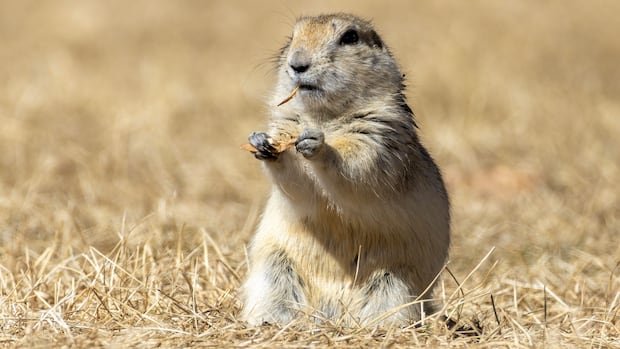

After facing significant delays, the authorized period for using strychnine in Alberta and Saskatchewan officially commenced on Wednesday. Farmers are now permitted to utilize the controversial rodenticide to manage Richardson’s ground squirrels, commonly referred to as gophers, until September 1. However, challenges arise due to limited quantities and concerns about its efficacy at this late stage of the year.
Strychnine was granted approval for controlled and time-limited emergency use in Alberta and Saskatchewan after extensive lobbying by the provinces, subsequent to its ban by Health Canada two years ago due to environmental hazards. The Alberta government estimates that gopher infestations in the province pose a risk of over $800 million annually to hay and pastures.
Under the Pest Control Products Act, the emergency use authorization allows producers in Alberta and Saskatchewan to employ strychnine until November 2027, but within strict seasonal windows. Unfortunately, the anticipated spring application window from March 1 to June 15 was missed due to supply chain issues encountered by Agromax, the sole authorized manufacturer of strychnine in Canada.
While the product has now reached eligible municipalities in Alberta and Saskatchewan, demand surpasses supply in many instances. Some municipalities, like Wheatland County and Flagstaff County, have resorted to lottery systems to determine which producers can access strychnine. Conversely, the Municipal District of Wainwright in east-central Alberta announced that it would not offer strychnine this year due to the late season and extremely limited product availability.
Experts emphasize that the ideal period for using strychnine is before spring greening, as the bait becomes less appealing to gophers once alternative food sources emerge. Additionally, the July to September application window coincides with gophers entering an estivation period, akin to hibernation but triggered by extreme heat.
Although 71 producers in the Municipal District of Wainwright completed the necessary strychnine training, concerns over its effectiveness at this time of year have slowed down inquiries. The aim is to retain the strychnine for next year to enable producers to utilize it throughout an entire season effectively.
Efforts are underway to advocate for an extension of the special use approval for another year, as the current season is being viewed as somewhat of a write-off. The federal government assures its support for farmers and Canada’s agricultural sector while ensuring responsible use to protect the environment, species at risk, and public health during the July 15 to September 1 window for strychnine application.
Despite the historical reliance on strychnine for gopher control in Alberta and Saskatchewan, its phased-out use by the federal government in 2020 and subsequent outright ban in 2024 were due to environmental risks, particularly the impact on at-risk species like swift foxes and burrowing owls. Conservation specialists warn that the neurotoxin can affect unintended wildlife beyond the targeted gophers, leading to ecological consequences.
Alternative gopher control methods recommended by the Alberta government include legal pesticides, fumigation, and enhancing predator activity through the provision of nesting sites for raptors like hawks and falcons. Strategies such as promoting tall vegetation growth and managing livestock grazing practices are also suggested to deter gopher colonies from establishing in fields.