
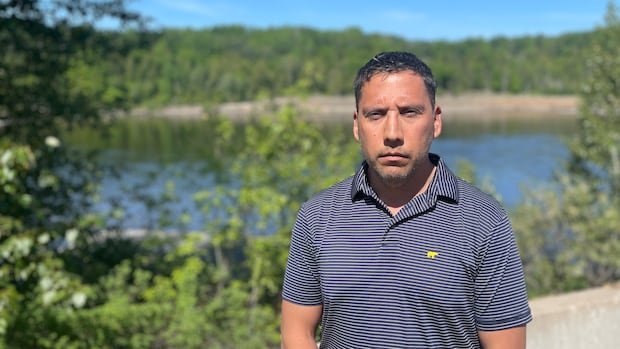

Viewing Atlantic salmon through a unique lens, Leonard Nicholas, Tobique First Nation’s fishery strategy director, considers them as relatives or ancestors due to their long-standing presence in the region. Describing their importance, Nicholas highlights ongoing efforts to preserve the salmon population in the Tobique River, a tributary of the Wolastoq (St. John River). Historically, the river system supported tens of thousands of salmon, a number drastically reduced to a mere few hundred returning to the Mactaquac Dam annually, as reported by the federal Department of Fisheries and Oceans.
Recognizing the challenges faced by the salmon population, the Mactaquac Biodiversity Facility, operated by DFO, plays a crucial role in sustaining their existence. While the facility serves as a lifeline for the salmon, UNB biologist Tommi Linnansaari compares the situation to keeping a patient alive on life support, emphasizing the critical support provided by the facility.
Efforts to preserve the salmon include the facility’s activities of relocating salmon past hydroelectric dams and nurturing juvenile salmon for release upstream to facilitate reproduction. Despite its significant contributions, DFO plans to close the facility in the upcoming fall, raising concerns among stakeholders.
Expressing disappointment over the sudden closure announcement, Nicholas highlights the lack of consultation and support from DFO in handling the spring run of juvenile salmon. With the future of the salmon population uncertain, Nicholas and his team are striving to secure alternative arrangements to ensure the salmon’s survival.
Meanwhile, the Canadian Rivers Institute at UNB steps in to assist by transporting juvenile salmon below the Mactaquac Dam, aiding in the ongoing conservation efforts. The institute’s collaboration underscores the collective commitment to safeguarding the salmon population amid challenges.
Notably, concerns regarding the endangered status of the Wolastoq salmon persist, with stakeholders advocating for federal recognition under the Species at Risk Act (SARA). John Perley, a former fisheries director, questions the delay in acknowledging the salmon’s endangered status, attributing the population decline to various environmental factors.
Reflecting on the complex decision-making process, Bruce Leaman, a committee member assessing marine fishes, highlights the ongoing decline of the salmon population and the challenges in securing endangered status designation. The political and socio-economic considerations involved in listing species as endangered pose additional hurdles in addressing the salmon’s conservation needs.
Taking their concerns to Ottawa, representatives from the Wolastoqey community emphasize the cultural and ecological significance of the salmon, urging continued support from DFO to protect the species. The lack of a definitive stance on the endangered status of the salmon underscores the ongoing deliberations and complexities surrounding conservation efforts.
Amid these developments, stakeholders remain committed to collaborating with Indigenous communities and key partners to uphold the conservation and protection of wild Atlantic salmon, recognizing their intrinsic value to the Wolastoqey and the broader ecosystem.