
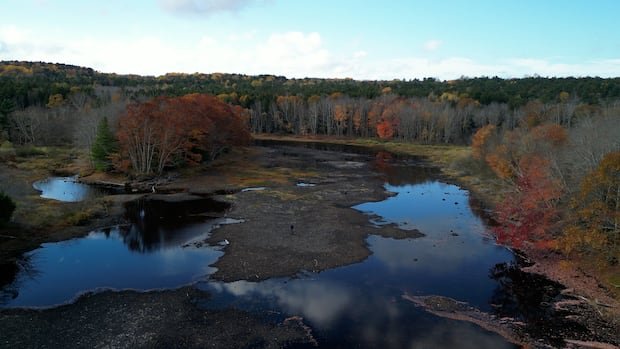

Rivers in the Maritimes are experiencing low water levels due to a prolonged period of drought, leading to wells drying up in certain communities. Time is of the essence to replenish the water table before winter freezes the ground. Looking back at the last six months, there has been a significant precipitation deficit ranging from 100 to 300 millimeters in most areas of the region.
This prolonged dry spell has resulted in severe to extreme drought conditions across much of the Maritimes, impacting agriculture and water resources significantly. The lack of rainfall has caused water shortages and dried up wells in various parts of the region, depleting underground aquifers.
As winter approaches and the ground freezes, the ability for water to infiltrate and recharge the water table diminishes. It is crucial in the upcoming weeks to initiate the process of replenishing the water table. Even if there is some beneficial rainfall before winter sets in, the deficit is substantial, necessitating a winter with ample snowfall.
Snow accumulation during the winter acts as a natural reservoir, slowly melting in spring and recharging the water table. A robust winter with significant snowfall could aid in long-term drought recovery and benefit next year’s growing season. Conversely, if the drought persists into winter without sufficient snowfall, it could have severe repercussions on next year’s crops and water availability.
The impending cold season holds the potential to alleviate the ongoing drought situation if accompanied by substantial snowfall. However, a continued lack of precipitation through winter could exacerbate the situation, impacting future crops and water resources in the region.