
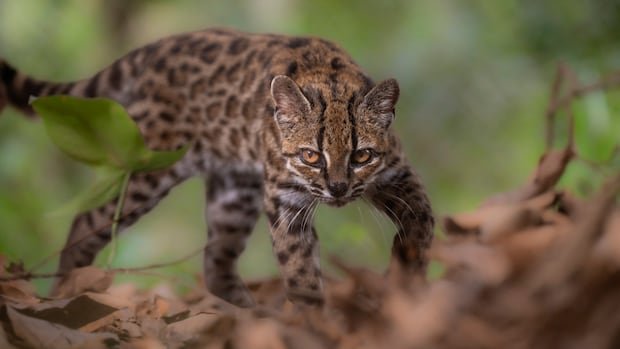

A small wild cat found in the cloud forests of Bolivia has been identified as a newly discovered species, marking the first time in over a century that a new living cat species has been officially named and described. Known locally as Tilcayo, this cat belongs to a group known as tiger cats that are widespread in South America. It was discovered in Bolivia’s Yungas forest, a region with dense forests often shrouded in clouds and high humidity. Measuring approximately 46 centimeters in length and weighing around three pounds, Tilcayo is smaller than the average domestic cat.
Genetic analysis confirmed the unique status of this cat as a new species, and it has been named Leopardus tilcayo, retaining its local moniker. Described as having light brown fur with irregular rosettes on its body, little is known about its behavior and diet. Initial findings suggest it may feed on small rodents and be more active at night.
The discovery of this new species has shed light on the diversity within the tiger cat group, revealing that there are actually five genetically distinct species. The Tilcayo lineage is estimated to have separated from other tiger cats approximately 1.4 million years ago. Additionally, a new subspecies of tiger cat has been identified in Peru’s Yungas, named Leopardus tigrinus antisuyo after the region it inhabits.
The International Union for Conservation of Nature (IUCN) currently considers tiger cats as two vulnerable species with declining populations. The research findings have been shared with the IUCN for further assessment, which may lead to a more accurate understanding of the conservation status of each lineage. The unique characteristics of species like Tilcayo could potentially warrant an endangered classification when evaluated individually.
The Yungas region, where the new species was found, is facing threats from deforestation, agricultural expansion, fires, and mining activities. Conservation efforts such as restoring damaged forest patches, protecting native forests, and preserving habitat corridors are crucial to safeguarding biodiversity in this threatened ecosystem. The discovery of new species like Tilcayo serves as a reminder of the importance of conservation and the need to protect undiscovered species at risk of extinction.