
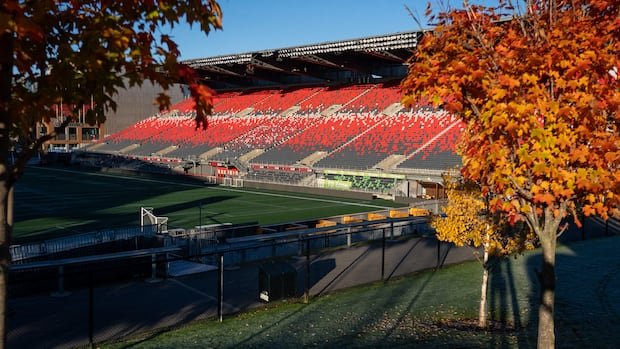

Lansdowne 2.0 has received the green light at Ottawa city hall following council’s endorsement of the $419 million redevelopment initiative. In a 15-10 vote, council members approved the plan after incorporating amendments aimed at enhancing transit services to the location and exploring options to retain the Ottawa Charge women’s hockey team.
The project generated contrasting opinions among council members. Advocates viewed it as an opportunity to modernize aging infrastructure and establish a stable financial partnership with Ottawa Sports and Entertainment Group (OSEG). They argued that the project’s revenue streams from retail sales, ticket fees, sports proceeds, and property taxes would mitigate the financial burden on taxpayers.
However, opponents expressed concerns about the uncertainty surrounding projected revenues, which are anticipated to materialize over several decades. They reiterated their reservations during the council session, highlighting the financial strain on taxpayers amidst a cost of living crisis.
Councilor Ariel Troster emphasized the importance of utilizing public lands for public benefit rather than enriching corporations at the expense of taxpayers. Councilor Jessica Bradley criticized the potential increase in ticket prices and the loss of key amenities like parkland and the stadium roof, cautioning against the project’s risks.
Despite acknowledging imperfections in the Lansdowne 2.0 plan, Councilor Catherine Kitts stressed the need to move forward with the initiative due to the risks associated with delaying essential facility replacements. Mayor Mark Sutcliffe supported the project, emphasizing the long-term benefits and the consequences of rejecting it.
The proposal to reduce arena capacity in the new event center raised concerns, particularly from the Professional Women’s Hockey League, which warned about the financial implications for the Ottawa Charge. Efforts were made to negotiate lease terms to accommodate the team’s needs and explore alternative venues.
Although some councilors expressed dissatisfaction with the project’s handling and communication, the final vote in favor allows the city to proceed with contracting EBC Inc. for construction. The timeline indicates construction completion by 2028 for the arena and event center, with Mirabella Development Corporation expected to finish the residential towers by 2034.
Overall, the approval of Lansdowne 2.0 marks a significant milestone in Ottawa’s urban development plans, signaling a transformative phase for the city’s infrastructure and sports facilities.