
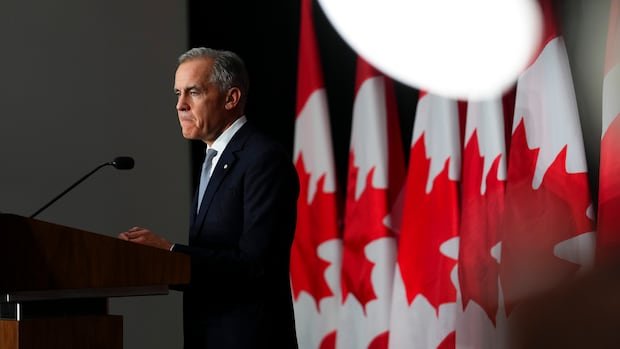

The day following Mark Carney’s half-hour speech at the University of Ottawa, Pierre Poilievre shared his thoughts with the press, expressing disappointment. Poilievre dubbed it the “sacrifice speech,” criticizing Carney for allegedly calling on young Canadians to make sacrifices in the face of existing challenges. However, it’s important to note that Carney’s message of impending sacrifices was not solely directed at the youth.
During his address at the university, Carney emphasized the need to balance the operating deficit within three years by cutting government spending and improving efficiency. He acknowledged that tough decisions lie ahead, indicating that certain desires may need to be sacrificed to prioritize essential initiatives for Canada’s growth.
Although the specifics of these sacrifices remain unclear, the mere mention of such choices indicates that Canadians will soon need to make decisions about navigating a changing landscape.
The discussion around sacrifice in Carney’s speech resonated due to the rarity of political leaders using this term outside of exceptional circumstances. Not since the Great Recession in 2008 has a finance minister explicitly invoked the notion of sacrifice in a major budget speech. The upcoming federal budget, expected to reveal significant spending cuts, may require Canadians to consider difficult trade-offs and choices for the country’s future.
Carney’s previous hints at sacrifices align with his intent to prepare the public for tough decisions ahead, potentially resulting in substantial reductions in federal spending. The government’s commitment to investments in key areas like defense and infrastructure while managing the deficit underscores the need for prudent financial decisions to avert a crisis down the line.
As the budget release approaches, anticipation builds around the extent of the sacrifices that may be necessary. The distribution of these cuts and the fairness of the decisions will likely spark debates among policymakers and the public. While suggestions like raising the GST or restructuring certain benefits have been proposed, the government must demonstrate a sincere effort to address unnecessary spending and justify the need for sacrifices.
In essence, the upcoming budget signals a critical juncture for Canadians to engage in a candid dialogue about the challenges and choices shaping the country’s future.