
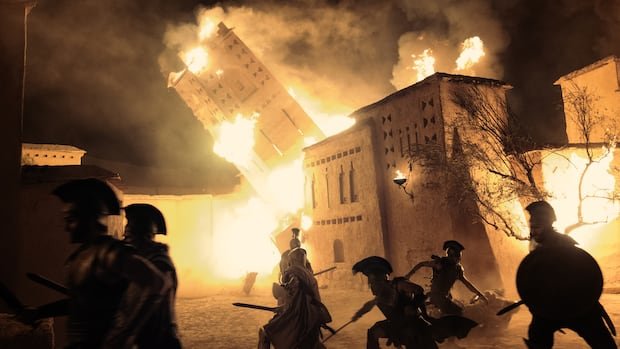

A recent climate study suggests that severe droughts lasting for centuries may have contributed to the collapse of Bronze Age palace societies that once thrived in the eastern Mediterranean. The study, published in Science Advances, analyzed drought conditions from approximately 1400 to 900 BC, coinciding with the decline of Mycenaean palace society in Greece and the Hittite state in present-day Turkey.
Lead author Katherine Power, a PhD student in physical geography at Stockholm University, explained that the study’s computer model revealed a gradual shift towards drier conditions in the region. Multiple short-term climate patterns aligned to exacerbate the drought during the Late Bronze Age collapse, intensifying its impact due to existing long-term drying trends.
Acknowledging that climate was not the sole factor, Power highlighted how the combined effects of reduced wet seasons, poor harvests, and strained water resources would have added pressure to already vulnerable societies. The study sheds light on the environmental challenges faced by these ancient civilizations, offering insights into the scarcity and upheaval reflected in the epic tale of The Odyssey.
Lynn Welton, an assistant professor of Near Eastern Archaeology at the University of Toronto, commended the study for its comprehensive analysis of regional climate changes during the Late Bronze Age. She emphasized the interconnected nature of the eastern Mediterranean societies, where disruptions in major centers could have widespread repercussions as trade networks and political alliances faltered.
Welton noted historical records indicating food shortages and a reliance on grain imports, suggesting that simultaneous harvest failures in various regions could have strained the trade system. She cautioned against simplifying the concept of collapse, highlighting the varied responses of different communities to the challenges of the era.
The Odyssey, a literary masterpiece set in a world of ancient palaces and perilous journeys, reflects themes of scarcity and social disorder that resonate with the environmental and political turmoil of the time. While experts agree that the poem does not offer direct evidence of historical events, its portrayal of hunger, displacement, and societal upheaval captures the challenges faced by individuals in a changing world.
Jonathan Burgess, a classics professor emeritus at the University of Toronto, emphasized the timeless relevance of The Odyssey’s narrative, where the protagonist, Odysseus, grapples with uncertainty and challenges on his journey home. The epic tale serves as a poignant reminder of the enduring struggle for survival and identity in a world marked by instability and change.