
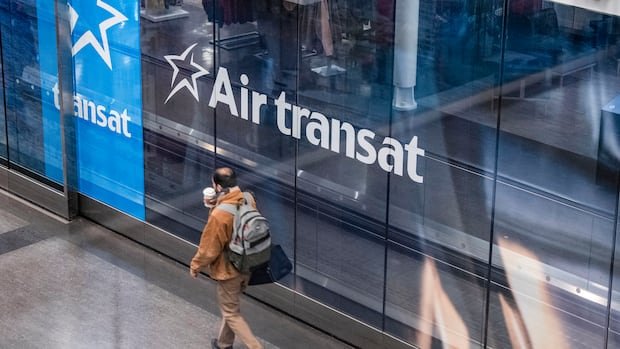

Air Transat has decided to make changes to its flight services in response to the soaring prices of aviation fuel. The parent company, Transat A.T. Inc., which operates Air Transat, announced that it will be reducing flight frequencies on certain routes to Europe and the Caribbean. Additionally, the airline will be prolonging the suspension of its services to Cuba until October due to the fuel embargo imposed by the U.S. This decision is primarily responsible for a six percent decrease in overall capacity from May to October, affecting the busy summer travel season.
CEO Annick Guerard stated that the airline is closely monitoring the situation as the entire aviation sector grapples with the impact of unprecedented fuel price volatility. Despite the challenges, there is still a strong demand for air travel. Affected customers will be contacted directly by the airline to discuss alternative travel arrangements.
The surge in jet fuel costs, attributed to the closure of the critical Strait of Hormuz fuel route following strikes by the U.S. and Israel on Iran, has led to a significant increase in prices. In response to these challenges, airlines worldwide, including Air Canada and WestJet, have been adjusting their capacities and routes to mitigate the financial impact of high fuel expenses.
While Air Transat and other Canadian airlines have implemented fuel surcharges to offset rising costs, some European carriers like Lufthansa have taken more drastic measures. Lufthansa recently canceled a substantial number of short-haul flights and reduced summer capacity to conserve jet fuel. Airlines such as KLM-France and Delta Air Lines have also made schedule adjustments and increased ticket prices to manage the additional costs.
Experts have raised concerns about potential disruptions in European air travel during the summer season if fuel shortages persist. The head of the International Energy Agency has warned that Europe is facing a critical shortage of jet fuel due to ongoing circumstances, posing a significant threat to flight operations.
Despite the challenges posed by fuel price hikes and capacity adjustments, the demand for flights to Europe remains high according to travel agents. With fewer flights available and strong passenger demand, airfares are likely to continue rising, making summer travel more expensive for consumers.