
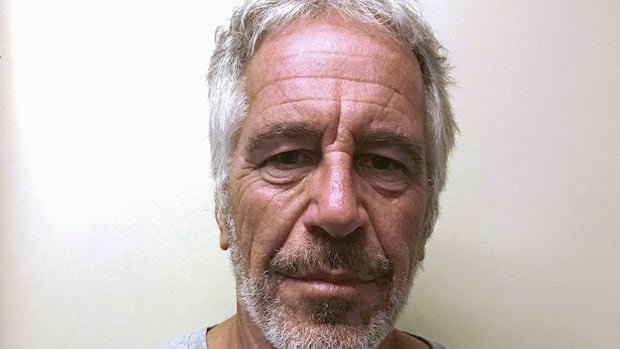

The U.S. Department of Justice announced its commitment to investigate Jeffrey Epstein’s alleged connections with former President Bill Clinton and JPMorgan, responding to President Donald Trump’s call for scrutiny. This move follows the release of documents by a congressional committee that raised concerns about Trump’s ties to Epstein. Attorney General Pam Bondi appointed Jay Clayton, the lead federal prosecutor in Manhattan, to oversee the investigation.
Trump urged the Justice Department to look into former Treasury Secretary Larry Summers and Reid Hoffman, the founder of LinkedIn, in addition to Clinton. These calls came after the House oversight committee released 20,000 documents related to Epstein, implicating the mentioned individuals.
Trump emphasized on social media that Epstein’s association primarily affected the Democratic Party, distancing the Republicans from the issue. JPMorgan expressed regret over its past dealings with Epstein but clarified it did not aid in any illicit activities.
Clinton’s deputy chief of staff, Angel Urena, defended Clinton, stating that the emails showed no wrongdoing on his part. Hoffman also refuted any improper engagement with Epstein, citing fundraising activities for MIT as his sole interaction.
Despite a previous memo stating no grounds for investigating uncharged parties in the Epstein case, the Justice Department yielded to Trump’s demands. Trump, who ended his friendship with Epstein before the financier’s 2008 conviction, denied any knowledge of Epstein’s criminal activities.
The House is expected to vote on a bill compelling the Justice Department to release all Epstein-related material, a move supported by a significant portion of Republicans. This legislation, if passed, would require Senate approval and Trump’s endorsement to enforce compliance from the Justice Department.
Epstein’s extensive network included various prominent figures, such as Prince Andrew, who faced consequences due to his association with Epstein. Trump’s involvement in pushing for investigations against political adversaries has drawn criticism for potentially politicizing the Justice Department.
Clayton, an independent political figure who previously chaired the U.S. Securities and Exchange Commission, will lead the investigation, emphasizing the complex intertwining of legal and political dynamics in the case.