
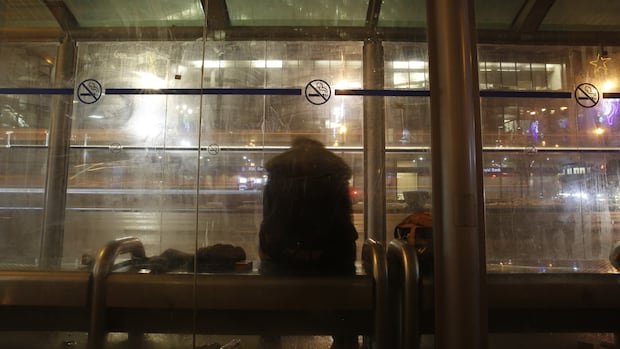

According to some healthcare professionals, detaining severely intoxicated individuals for a maximum of three days without proper care could pose life-threatening risks.
The Manitoba Legislature approved the NDP government’s Bill 48, the Protective Detention and Care of Intoxicated Persons Act, on Wednesday, enabling the establishment of a “protective care center” or detox facility.
This new legislation permits the detention of highly intoxicated individuals for up to 72 hours, an increase from the previous 24-hour limit, to address the impact of potent substances like methamphetamine, as stated by the province.
While Winnipeg’s mayor, police, and certain doctors have expressed their support for the plan, Dr. Jim Simm, the former chief psychiatrist of the province, has raised concerns about the lack of substantial evidence supporting it.
Dr. Simm stated, “Several studies on involuntary substance use treatment have shown generally worse outcomes. I am skeptical about the positive impact of the center and concerned about potential medical complications without adequate medical supervision.”
On October 28, eight days before the passing of Bill 48, Dr. Simm emphasized the need for medical oversight in the legislation to prevent medical complications due to the lack of proper supervision.
“The use of methamphetamine can induce prolonged psychosis in susceptible individuals lasting over 72 hours, with risks of seizures or cardiac events,” Dr. Simm warned.
The intended detox center at 190 Disraeli Fwy., to be managed by Main Street Project, faced delays in opening due to requested legislative amendments by the Opposition Progressive Conservatives.
Housing and Addictions Minister Bernadette Smith mentioned efforts to secure medical supervision before the initially planned November 1 opening were hindered by the delay in passing the legislation.
In support of the province’s initiative, a group of prominent medical professionals outlined necessary measures for proper implementation in October.
In a letter, Dr. Jitender Sareen, the provincial mental health and addictions specialty lead at Shared Health, emphasized the importance of regular assessments for appropriate care.
Expressing doubt about finding sufficient staff within the aggressive timeline for the center’s opening, Dr. Simm highlighted the shortage of psychiatric professionals.
“The Crisis Response Centre near the Health Sciences Centre seemed to be on the verge of a crisis,” Dr. Simm noted.
‘What do we hope to gain?’
Dr. Paxton Bach, an addiction medicine expert from Vancouver and co-medical director of the B.C. Centre on Substance Use, emphasized the varying risks of involuntary detention based on the substances involved.
He pointed out that Canadian guidelines advise against short-term detoxification for opioid users without ongoing treatment, as it raises the risk of overdose upon leaving the facility.
<figcaption