
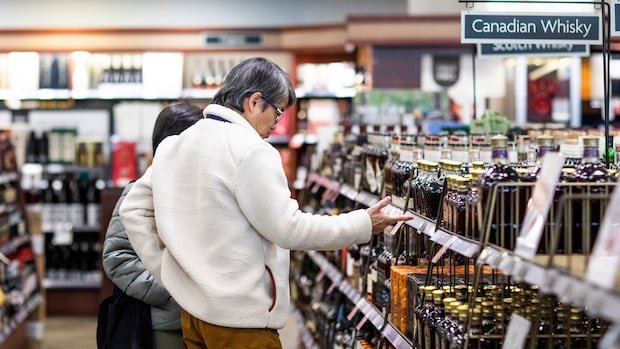

Distiller James Lester, the founder of Sons of Vancouver distillery based in British Columbia, is facing a new challenge amidst the ongoing trade disruptions. With the recent imposition of U.S. bans on select Canadian products, including alcohol items, Lester finds himself excluded from the lucrative American market.
The distillery typically ships a small quantity of wheated rye to the U.S. annually, accounting for less than 10% of their total business. Despite this, the ban comes as a blow to Lester, who had been actively working to establish a stronger presence and cultivate relationships in the U.S. market.
The restrictions mean limited options for American consumers of Sons of Vancouver, as even purchasing products in Canada would not allow them to bring them back to the U.S. The import prohibitions have intensified the trade dispute, particularly impacting the alcohol sector, a contentious issue for policymakers on both sides of the border.
According to Robert Glasgow, an international trade lawyer at KPMG Law, the import bans will disproportionately affect small-scale producers in the alcohol industry. Spirits producers, in particular, are expected to bear a significant brunt as Canada exports more liquor to the U.S. compared to wine or beer.
Spirits Canada, the industry’s national trade association, highlights that a substantial portion of Canadian spirits, around 93%, is destined for the U.S. market. While certain exemptions exist for bulk shipments of specific liquors, the ban predominantly impacts smaller players, leaving them vulnerable to the economic repercussions.
The targeting of alcohol products in the trade dispute is not new, as alcohol has been a focal point since the initial imposition of tariffs by the U.S. in 2025. The White House cited Canada’s alleged discrimination against American alcohol, among other products, leading to the current trade tensions.
Despite the relatively small share of alcohol trade between Canada and the U.S., the sector holds symbolic significance, as it embodies national identities and cultural ties. The strategic targeting of alcohol in trade disputes reflects its personal and political importance, making it a potent bargaining chip.
The ramifications of the alcohol ban have been felt by producers on both sides, with businesses like Ironstone Vineyards in California experiencing a halt in exports to Canada. The economic fallout has prompted calls for a resolution to the trade conflict, emphasizing the importance of restoring trade relations in the alcohol industry.
While the future remains uncertain for alcohol producers affected by the ban, there is optimism that consumer demand and trading partnerships will endure, leading to a potential reconciliation in the trade dispute.