

The Northwestern Health Unit (NWHU) is cautioning individuals about alterations in the local drug supply that are increasing the risk of harm, with the addition of fentanyl and animal tranquilizers found in drugs. Donna Stanley, the health protection director at the NWHU, highlighted that various substances have been mixed into drugs for a while, but recent incidents have led to unusual reactions and fatalities. Users have reported observing differences in their peers’ behavior when using these contaminated drugs.
Concerns raised include substances sold as cocaine causing unexpected symptoms like drowsiness or unconsciousness, crystal meth testing positive for fentanyl, opioids testing positive for medetomidine (a veterinary tranquilizer), substances sold as fentanyl testing positive for cocaine and butonitazene, and an increase in drug-related poisonings and deaths. The NWHU disclosed that these issues are prevalent in Winnipeg, Thunder Bay, and surrounding communities.
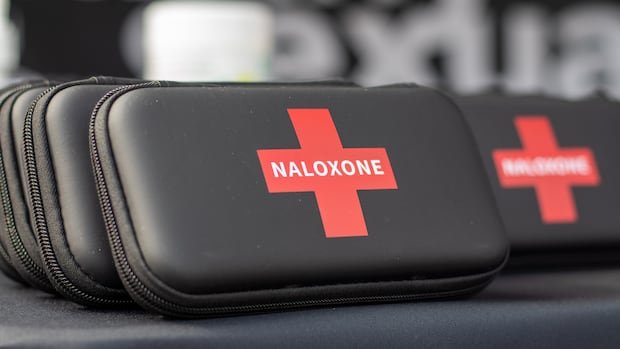
Naloxone, used to counteract opioid overdoses, is proving less effective, with individuals requiring multiple doses. Stanley emphasized the unregulated nature of drug supplies, warning that what individuals believe they are purchasing may not be the actual content, posing additional risks.
The Thunder Bay region continues to have the highest opioid-related death rate in the province, followed by the NWHU’s jurisdiction, as per the latest report from Ontario’s Office of the Chief Coroner. While carrying naloxone is crucial, Stanley stressed the importance of not delaying emergency assistance due to potential naloxone ineffectiveness.
The NWHU is advocating for drug testing before consumption and provides free kits to test for various substances. Naloxone kits are also available at local health units and pharmacies. In Thunder Bay, the NorWest Community Health Centres operate a mobile outreach van equipped with a drug analyzer that uses Raman laser technology for substance scanning.
For individuals using substances alone, the Lifeguard Digital Health App can be utilized to set a timer that automatically alerts emergency services in case of a potential overdose. It is recommended to use new drug equipment each time and start with a small dose, especially with new suppliers or altered drug appearance. The NWHU encourages sharing experiences anonymously through its online reporting system regarding drug consumption, overdoses, and test results.